
Preventing Spring Bug and Insect Infestations
People seeking to prevent spring bug and insect infestations aim to protect their homes, and local service providers can help implement effective exclusion and prevention strategies.
As the seasons change and spring arrives, many property owners begin to notice an increase in bugs and insects seeking shelter and food around their homes. Preventing spring bug and insect infestations is a practical concern that can help maintain a comfortable and healthy living environment. Whether you’re concerned about pesky ants, mosquitoes, or other common spring invaders, you’re in the right place to find effective solutions. Local contractors specializing in pest prevention can provide tailored strategies to keep insects at bay, ensuring your property remains protected throughout the season.
Exploring ways to prevent spring bug and insect infestations is especially important for those looking to avoid the inconvenience and potential damage caused by unwanted pests. From sealing entry points to managing outdoor attractants, there are many proactive steps that can make a difference. Service providers in the area are equipped to assist with these efforts, offering expert advice and customized prevention plans. Keep reading to discover practical tips and learn how local professionals can help you safeguard your property against springtime pests.
- Spring bug prevention - homeowners preparing for warmer months often seek local contractors to implement early-season barriers and treatments.
- Insect infestation prevention - property owners noticing increased insect activity may hire local service providers to apply preventative measures around the home’s foundation and entry points.
- Spring bug and insect control planning - those interested in proactive strategies can connect with local pros experienced in assessing property vulnerabilities and recommending targeted solutions.
- Seasonal pest barrier installation - residents looking to protect outdoor living spaces during spring can work with local contractors to set up effective insect barriers.
- Early-season pest management - individuals aiming to reduce the risk of infestations before they start often turn to local service providers for customized prevention plans.
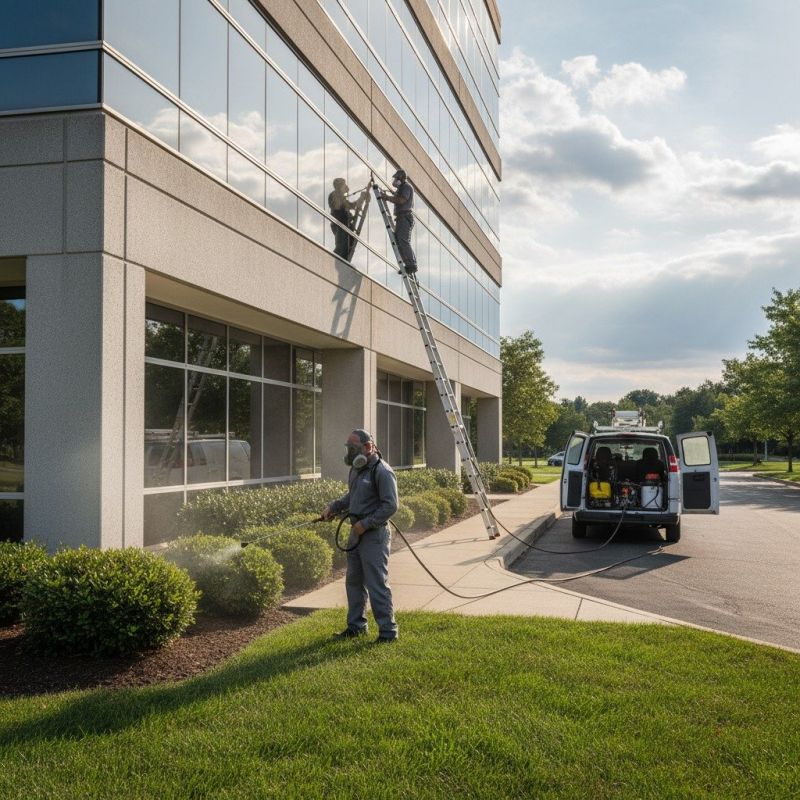
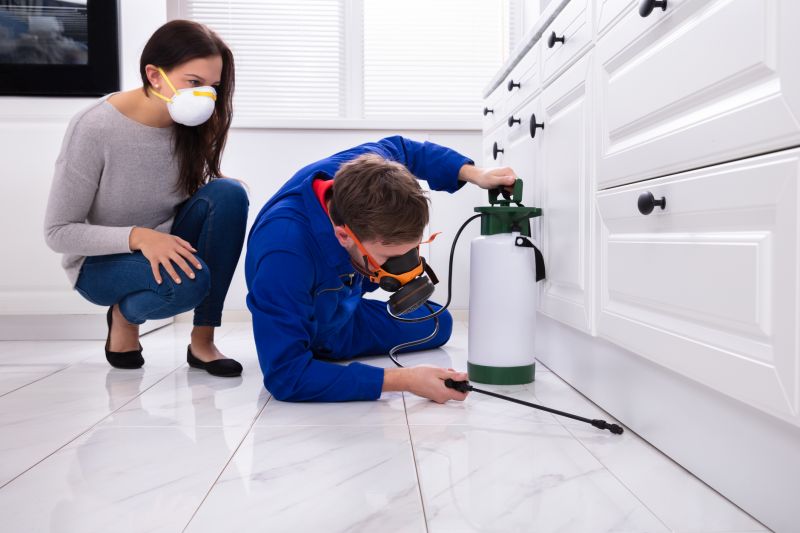
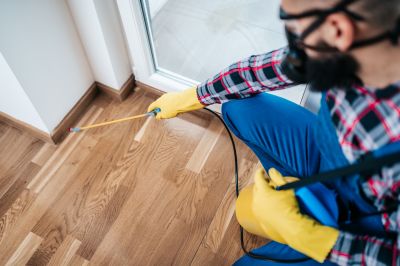
When people search for preventing spring bug and insect infestations, they are often looking for ways to protect their homes from the sudden surge of pests that become active during the warmer months. This topic typically relates to concerns about common springtime invaders such as ants, mosquitoes, flies, spiders, and beetles that can invade indoor spaces or gather around the exterior. Homeowners may be planning preventative measures to avoid the inconvenience, damage, or health risks associated with these pests. Understanding how to proactively address spring insect activity is a key part of maintaining a comfortable and pest-free living environment, especially as pests tend to seek shelter and food sources that become more abundant during this season.
Preventing spring bug and insect infestations involves a combination of strategies aimed at reducing entry points, eliminating attractants, and establishing barriers around the property. Common problems include pests finding ways inside through cracks, gaps, or poorly sealed windows and doors, as well as breeding in standing water or cluttered yards. Homeowners often develop plans that incorporate regular yard maintenance, removal of debris, and proper drainage to limit breeding sites. Many choose to work with local service providers who specialize in pest prevention to implement targeted treatments and preventative measures that can significantly reduce the likelihood of an infestation taking hold during the spring months.
Properties that typically come up in discussions about preventing spring bug and insect infestations include residential homes, especially those with yards, gardens, or outdoor living spaces. Multi-family buildings, such as apartment complexes or condominiums, also face challenges with pest control due to shared walls and common areas that can harbor pests. Additionally, properties with landscaping features, like shrubs, trees, or flower beds, are more prone to pest activity if not properly maintained. These types of properties often benefit from tailored pest prevention plans, which local contractors can provide, to address the specific vulnerabilities that attract spring pests and to establish ongoing protections.
Local service providers play a crucial role in helping homeowners and property managers implement effective prevention strategies for spring bug and insect infestations. These professionals can assess the property’s unique vulnerabilities, recommend suitable preventative treatments, and help establish ongoing maintenance routines. Their expertise ensures that measures are appropriate for the specific types of pests common in the area and the property's layout. Connecting with local contractors who specialize in pest prevention can be a practical step toward reducing springtime pest problems, enabling homeowners to enjoy the season without the worry of unwanted insect invasions disrupting their comfort or property.
Pest Control Treatments - local contractors specializing in pest control can apply targeted treatments to prevent spring bugs and insects from establishing infestations around residential or commercial properties.
Home Sealing Projects - sealing cracks, gaps, and entry points is essential for blocking insects, and local pros can identify vulnerabilities that allow pests to enter during spring season.
Yard and Landscape Maintenance - maintaining tidy yards and removing debris helps reduce insect habitats, with local service providers offering landscaping services that support infestation prevention.
Moisture Control Services - controlling excess moisture around buildings is key to preventing spring bugs, and local contractors can install or repair drainage and ventilation systems.
Gutter and Drain Cleaning - clearing gutters and drains prevents standing water that attracts insects, with local pros providing routine cleaning and maintenance services.
Structural Pest Barriers - installing physical barriers around foundations and entry points can deter pests, and local contractors can implement these solutions effectively.
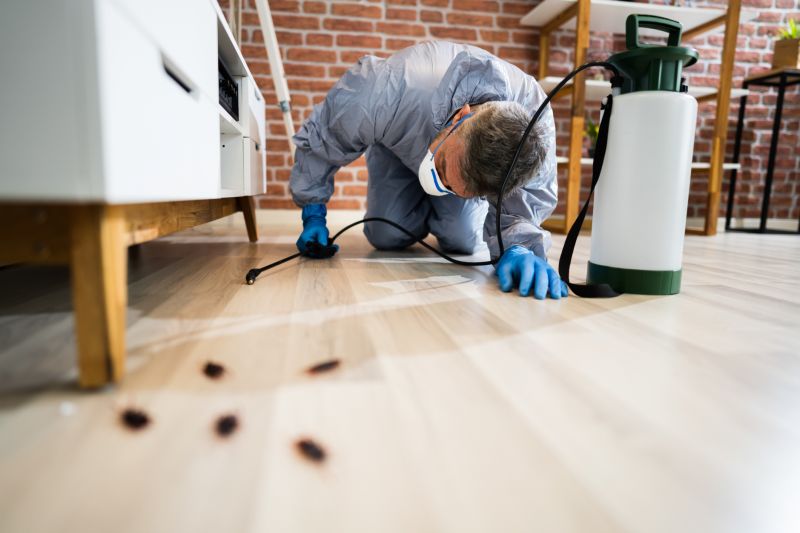
When evaluating service providers for preventing spring bug and insect infestations, it’s important to consider their experience with similar projects. Homeowners should inquire about how long a local contractor has been handling pest prevention services and whether they have a track record of successfully managing infestations in homes comparable to their own. An experienced contractor will be familiar with common pest behaviors and effective prevention strategies, which can contribute to more reliable results. Seeking references or reviews from previous clients can also provide insight into a contractor’s ability to deliver consistent, quality work in preventing spring bug and insect issues.
Clear written expectations are essential when choosing a service provider for pest prevention. Homeowners should ensure that the scope of work, methods used, and any follow-up procedures are clearly outlined in an agreement or proposal. This clarity helps prevent misunderstandings and ensures that both parties are aligned on what the service will entail. A reputable local contractor will be transparent about their approach and provide detailed information about the steps involved in preventing spring bug and insect infestations, giving homeowners confidence in the process.
Effective communication is a key factor in selecting a dependable service provider. Homeowners should look for local pros who are responsive to questions, provide thorough explanations, and are approachable throughout the process. Good communication helps ensure that homeowners understand the recommended prevention measures and can ask for clarification if needed. Contractors who prioritize clear, ongoing dialogue are often better equipped to address concerns promptly and adapt their approach if circumstances change. This level of communication can contribute significantly to a successful pest prevention experience, leading to a more effective and satisfying outcome.
Get a Quote for Spring Bug And Insect Infestation Prevention
Property owners often search for preventing spring bug and insect infestations when they are planning practical projects around their homes and businesses. Local pros provide Spring Bug and Insect Infestation Prevention services for everyday jobs and straightforward project options.


As spring arrives, many property owners begin to notice an increase in bugs and insects around their homes and yards. Simple everyday situations, such as opening windows or spending time in outdoor living spaces, can lead to unwanted pests making their way inside. Preventing spring bug and insect infestations often involves basic measures like sealing entry points, managing yard debris, and maintaining tidy outdoor areas. Local contractors who specialize in pest prevention can offer practical advice and services to help keep these nuisances at bay, ensuring a more comfortable and pest-free environment as the season changes.
Property owners in the area might seek out preventative services from local experts to address common spring pest concerns before they become larger problems. These professionals can assess the property for potential vulnerabilities, implement barrier treatments, and suggest ongoing maintenance strategies tailored to the local climate and pest activity. Connecting with service providers experienced in preventing spring bug and insect infestations can provide peace of mind, helping to avoid the inconvenience and potential damage caused by pests during the warmer months.
Get a Quote for Spring Bug And Insect Infestation Prevention
What are the best ways to prevent spring bug and insect infestations? Local contractors recommend a combination of sealing entry points, removing standing water, and applying targeted treatments to reduce insect populations and prevent infestations.
How can I reduce the likelihood of bugs entering my home during spring? Service providers suggest maintaining screens, trimming vegetation near the house, and scheduling preventative treatments to keep bugs from finding pathways inside.
Are there specific areas around my property that should be treated to prevent infestations? Yes, local pros often focus on treating areas like gutters, mulch beds, and foundation cracks to minimize hiding spots and entry points for insects.
What proactive measures can I take to keep insects from becoming a problem in spring? Experts advise regular yard cleanup, removing debris, and applying preventative insect barriers around the property to deter bugs before they arrive.
How do local service providers help in preventing spring bug and insect infestations? They assess property vulnerabilities, recommend targeted treatments, and implement pest prevention strategies to help keep insects at bay during the season.
Sealing entry points - property owners can identify and seal gaps around windows, doors, and foundations with guidance from local contractors to prevent insect entry.
Reducing standing water - removing or managing sources of standing water around the property can help deter breeding sites, with local pros offering advice on drainage improvements.
Maintaining landscaping - trimming bushes and grass away from the home reduces hiding spots for bugs and insects, supported by local service providers' landscape tips.
Applying barrier treatments - professional pest control services can recommend and apply targeted barriers to create a protective perimeter against spring bugs and insects.
If you are thinking about preventing spring bug and insect infestations for a property, this guide is meant to help you understand this topic, the typical project types, and how different options might fit your plans.
When you are ready, you can use the quote form on this page to share a few details about your project. From there, local pros can review the basics and follow up with options that match what you have in mind.
Get a Quote for Spring Bug And Insect Infestation Prevention