
How Routine Pest Control Helps Prevent Major Infestations
Routine pest control services help prevent major infestations by regularly targeting pests before they become a serious problem, with local contractors providing effective ongoing protection.
Understanding how routine pest control helps prevent major infestations is essential for property owners looking to protect their homes and businesses. Regular pest management services provided by local contractors can identify early signs of pest activity, stopping problems before they escalate into full-blown infestations. This proactive approach not only saves property owners from costly repairs and disruptions but also promotes a healthier living and working environment. By maintaining a consistent pest control schedule, property owners can stay ahead of common pests that tend to invade during certain seasons or due to specific conditions around their property.
For those living or working in the area, exploring the benefits of routine pest control makes practical sense. Local service providers are familiar with the pests that are most likely to pose a threat and understand the unique challenges of the local environment. This knowledge allows them to tailor pest management strategies that effectively prevent pests from establishing large colonies. Keeping pests at bay through regular treatments can significantly reduce the risk of major infestations, providing peace of mind and protecting the integrity of the property. Continuing to read can help property owners learn how routine pest control services are a key part of long-term pest prevention.
- Routine pest control services are essential when homeowners notice early signs of pest activity, helping local contractors implement preventative measures. Seasonal pest control is recommended before pest populations typically increase, with local service providers applying treatments to reduce infestation risks. Preventative pest management is useful for maintaining pest-free environments in new or renovated properties, with local pros tailoring strategies to specific property needs. Regular pest inspections assist in identifying potential pest entry points before an infestation occurs, with local contractors conducting thorough assessments. Maintenance treatments help keep pests at bay in high-risk areas, with local service providers establishing ongoing routines to prevent major infestations.
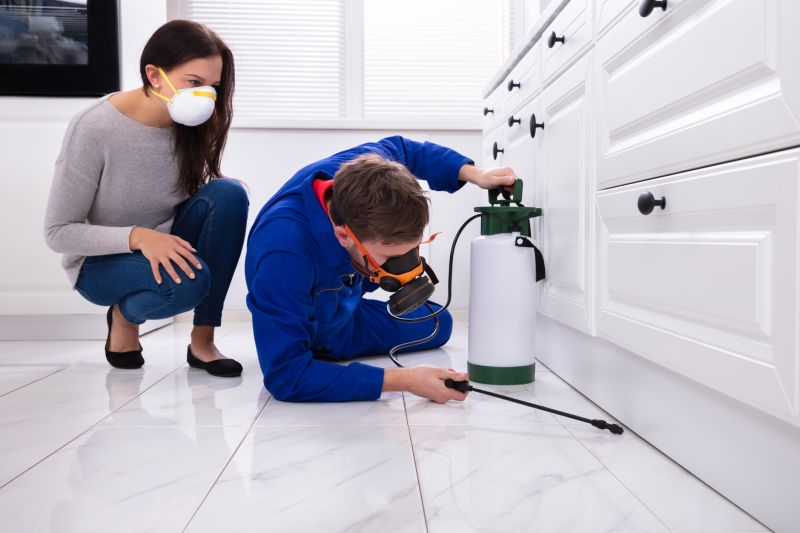

When people search for how routine pest control helps prevent major infestations, they are often looking to understand how regular treatment schedules can keep pests from becoming overwhelming problems. This topic relates to proactive strategies homeowners use to avoid the inconvenience, property damage, and health risks associated with large pest populations. Many individuals are interested in learning how consistent visits from pest control service providers can serve as an ongoing safeguard, rather than waiting until an infestation is already severe. The focus is on establishing a preventive approach that minimizes the chances of pests establishing a foothold in the first place.
The problems connected to this topic typically involve common household pests such as ants, cockroaches, spiders, and rodents, which tend to invade homes and properties when conditions are favorable. Major infestations often develop from small, unnoticed issues that escalate over time. Routine pest control plans are designed to target these early signs of pest activity and eliminate potential nesting sites before pests can multiply. These plans often include regular inspections, targeted treatments, and ongoing monitoring, all aimed at disrupting pest life cycles and preventing infestations from reaching a critical mass.
Properties that frequently come up in discussions about routine pest control include single-family homes, apartment complexes, and small commercial buildings. These types of properties are particularly vulnerable to infestations because they provide shelter, food sources, and entry points for pests. Homes with yards, gardens, or nearby wooded areas may be more prone to pest activity, making routine treatments especially beneficial. Commercial properties like restaurants or retail stores also benefit from ongoing pest management to maintain hygiene standards and prevent infestations that could disrupt operations or damage reputation.
Local service providers play a crucial role in helping homeowners and property managers implement effective routine pest control plans. These professionals are experienced in identifying early signs of pest activity, applying targeted treatments, and advising on property maintenance practices that reduce pest attractants. By establishing a regular treatment schedule, local contractors help reduce the likelihood of pests establishing large populations, which can be difficult and costly to eliminate once they become entrenched. Engaging with these service providers ensures that pest prevention remains a consistent priority, supporting property health and peace of mind over the long term.
Termite Inspection and Treatment - local contractors use inspection and treatment techniques similar to pest control to identify and eliminate termite threats before they cause major damage.
Rodent Control Projects - rodent exclusion and trapping require planning and tools comparable to pest management to prevent infestations from escalating.
Mosquito Control Services - mosquito reduction efforts involve strategic planning and application methods akin to routine pest control to minimize breeding sites.
Wildlife Removal Services - handling nuisance wildlife involves assessment and removal skills similar to pest control practices for early infestation prevention.
Bed Bug Detection and Treatment - early detection and targeted treatment in bed bug projects mirror pest control approaches to avoid larger infestations.
Pre-Construction Pest Barriers - installing barriers during construction requires planning and application methods similar to routine pest control to prevent future infestations.
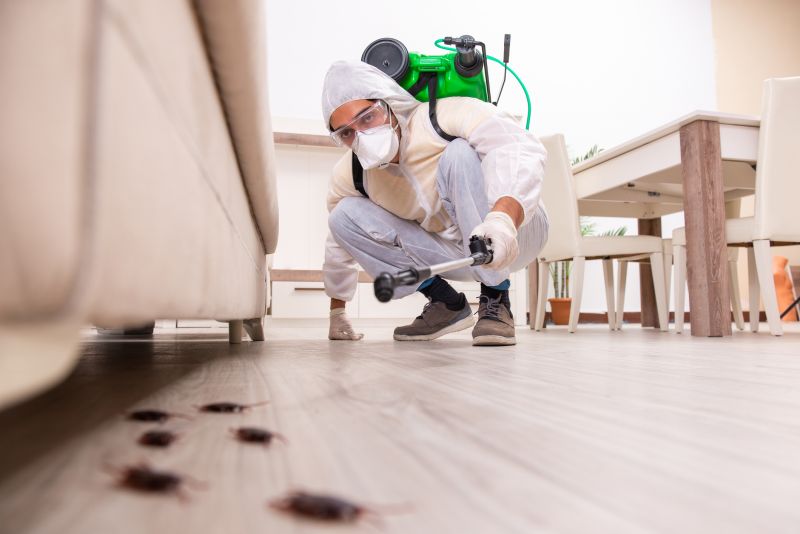
When comparing local contractors for routine pest control services, it’s important to consider their experience with similar projects. Homeowners should inquire about how long the service providers have been handling pest prevention in residential settings and whether they have a track record of successfully managing pests in homes comparable to their own. A contractor with extensive experience is more likely to understand the specific challenges that can lead to major infestations and to implement effective preventive measures tailored to the local environment.
Clear written expectations are also a key factor when evaluating potential service providers. Homeowners should seek detailed descriptions of what the routine pest control service includes, such as the frequency of treatments, areas covered, and what pests are targeted. Having this information in writing helps ensure there are no misunderstandings about the scope of work and allows homeowners to assess whether the service aligns with their needs for preventing major infestations. Transparent communication about what to expect can contribute to a more effective pest management plan.
Reputable references and good communication practices are essential when choosing local contractors for routine pest control. Homeowners can ask for references from past clients to gain insight into the contractor’s reliability and the quality of their work. Additionally, a service provider that communicates clearly and promptly about their process, recommendations, and any concerns can help homeowners stay informed and engaged in their pest prevention efforts. This level of transparency and responsiveness often indicates a professional approach, which can be instrumental in maintaining a pest-free home over time.
Property owners often search for how routine pest control helps prevent major infestations when they are planning practical projects around their homes and businesses. Local pros provide Routine Pest Control services for everyday jobs and straightforward project options.
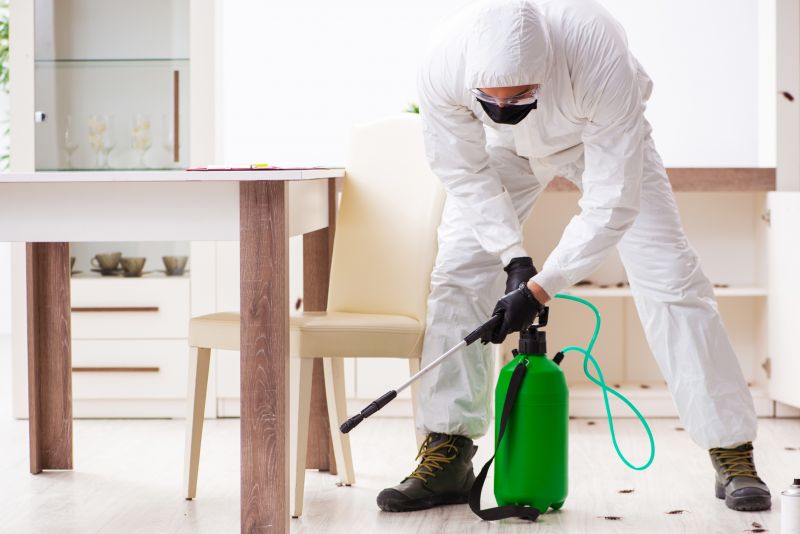
Routine pest control services are an effective way for property owners to stay ahead of potential infestations before they become major problems. Regular treatments help identify and eliminate pests early, reducing the likelihood of them establishing nests or colonies that can quickly grow out of control. By maintaining a consistent pest management schedule, local contractors can address common household invaders such as ants, roaches, and rodents, preventing the damage and inconvenience associated with larger infestations.
Many property owners seek routine pest control to protect their homes and businesses from unexpected pest outbreaks. These services often include inspections that spot signs of pest activity, as well as targeted treatments to keep pests at bay. Engaging with experienced local service providers can help ensure that pest issues are managed proactively, saving time and resources while minimizing the risk of pests spreading or causing further damage.
How does routine pest control help prevent major infestations? Routine pest control services regularly target pests before they become a significant problem, reducing the risk of a major infestation developing over time.
What pests can routine pest control services help manage? These services typically address common household pests such as ants, cockroaches, spiders, and rodents, helping to keep them from establishing large colonies.
Why is consistent pest control important for prevention? Consistent treatments help eliminate pests early, preventing their populations from growing and reducing the likelihood of a full-blown infestation.
How do local service providers identify potential pest issues? Local contractors conduct inspections to spot early signs of pest activity and apply targeted treatments to prevent infestations from spreading.
Can routine pest control reduce the need for extensive pest removal? Yes, by preventing pests from establishing themselves, routine pest control minimizes the chances of needing more invasive and costly pest removal efforts later on.
Regular inspections - routine pest control services include scheduled inspections that help identify early signs of pest activity before it becomes a major problem.
Preventative treatments - applying preventive pest control treatments around the property can stop pests from establishing nests or colonies.
Sealing entry points - local contractors can assist in sealing gaps and cracks to reduce pest entry points, making the property less attractive to pests.
Ongoing monitoring - consistent monitoring by service providers helps catch pest issues early, preventing minor problems from turning into major infestations.
If you are thinking about how routine pest control helps prevent major infestations for a property, this guide is meant to help you understand this topic, the typical project types, and how different options might fit your plans.
When you are ready, you can use the quote form on this page to share a few details about your project. From there, local pros can review the basics and follow up with options that match what you have in mind.